The Digital Twin
Paradox
Digital Twins have revolutionized design and engineering, but their centralized, model-based nature becomes a bottleneck in the volatile reality of green hydrogen production.
Where They Excel
Design Optimization
Simulating hundreds of plant configurations to minimize Levelized Cost of Hydrogen (LCOH) before a single brick is laid.
Virtual Commissioning
De-risking investment by validating control logic and safety systems in a virtual environment.
Operator Training
Providing a safe sandbox for operators to learn standard procedures and emergency responses.
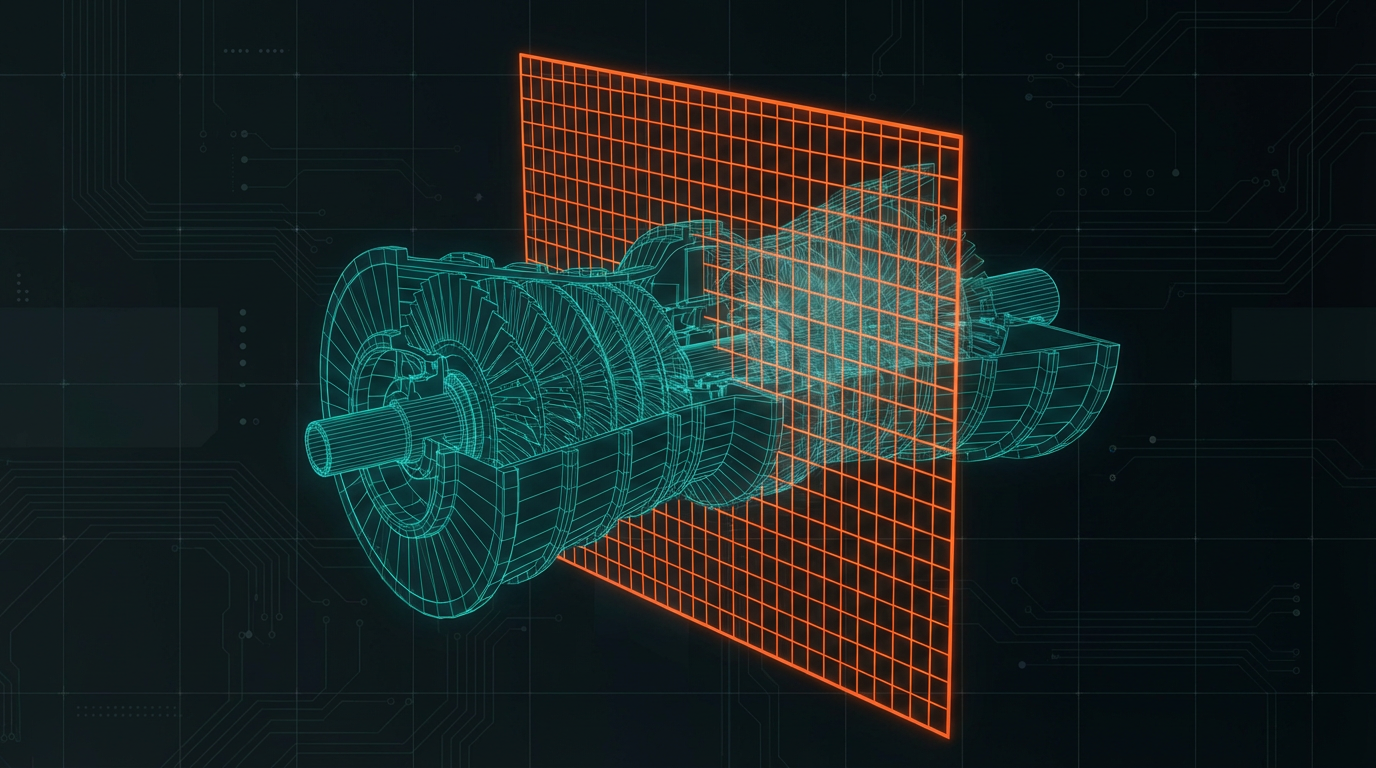
Where They Fail
In a green hydrogen plant powered by wind and solar, energy input fluctuates wildly. A centralized Digital Twin, relying on cloud connectivity and complex physics models, is simply too slow to react.
- 01.Latency: Round-trip time to the cloud prevents sub-second grid balancing.
- 02.Complexity: Physics-based models become computationally expensive as system size grows.
- 03.Fragility: A single network outage can blind the entire control system.
The Mirror is Broken
We need to stop trying to model the world perfectly and start building systems that can learn to survive in it.